Water Damage Restoration 101: Recognizing the Process and Cost
Water damage can strike suddenly, leaving homeowners in a state of confusion. Understanding the remediation process is necessary for reliable recuperation. From evaluating the damage to picking the best company, each action impacts the overall result and expense. Factors such as the sort of water damage and urgency also play a considerable function. What are the particular methods utilized in repair, and exactly how can one get ready for prospective expenses?
Sorts Of Water Damage
Water damage can arise from various resources, each offering one-of-a-kind obstacles for reconstruction. The 3 key sorts of water damage are classified based upon contamination degrees: clean water, gray water, and black water. Tidy water stems from resources like broken pipes or rain, posturing marginal health risks. Gray water, that includes wastewater from sinks or cleaning makers, consists of pollutants that may trigger pain or health problem if ingested. Black water, the most unsafe classification, comes from sewer or floodwaters, having harmful microorganisms and microorganisms. Each type requires certain remediation techniques and precaution to efficiently reduce and resolve the damage health and wellness risks. Comprehending these distinctions is essential for specialists and property owners entailed in the water damage restoration procedure.
Initial Analysis and Inspection
An extensive initial assessment and assessment are essential steps in the water damage remediation procedure. This stage starts with a specialist evaluating the extent of the damage, determining the source of the water intrusion, and figuring out the type of water included - Flood Cleanup Services. Professionals make use of specialized equipment to measure wetness degrees in different products, such as wall surfaces, floorings, and furnishings. In addition, they assess structural integrity and potential carcinogen, consisting of mold and mildew growth. The findings from this assessment notify the repair plan, directing required activities and resource appropriation. Exact documents of the damage is essential for insurance cases and future referral. Generally, this preliminary evaluation prepares for effective restoration, making certain an in-depth response to the particular situation handy
Water Removal Methods
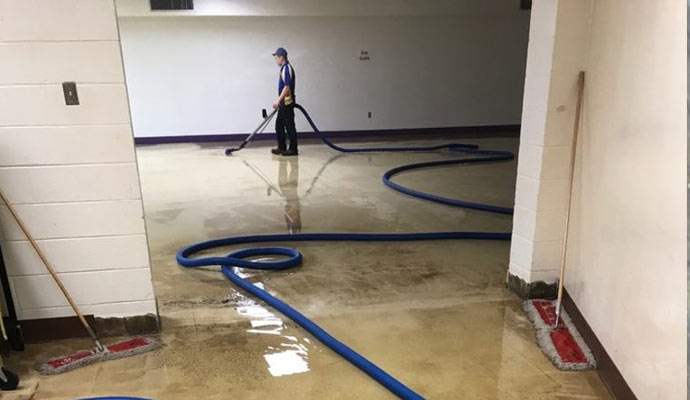
Complying with the preliminary assessment, effective water removal methods are utilized to reduce damage and prevent further concerns. These methods involve using customized tools such as submersible pumps and industrial-grade vacuum cleaners. The selection of technique depends on the quantity of water existing and the type of products impacted. For standing water, submersible pumps are commonly utilized for fast removal, while vacuums are excellent for extracting water from carpets and furniture. Furthermore, advanced techniques like water removal mats might be employed for hard-to-reach locations. The goal is to eliminate as much water as possible, lessening the potential for mold and mildew development and structural damage. Motivate and efficient water removal is important in the general water damage repair procedure.
Drying and Dehumidification Process
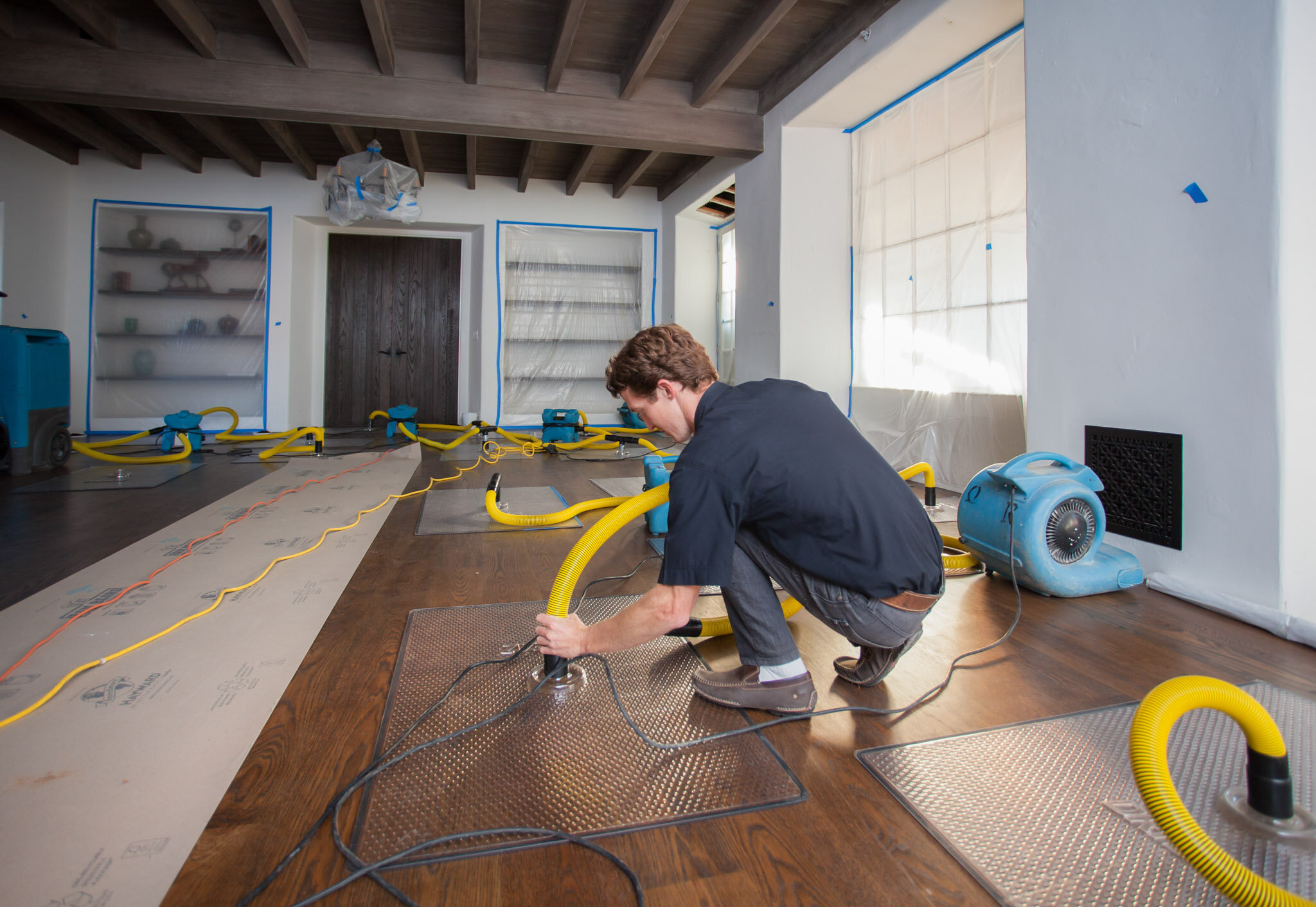
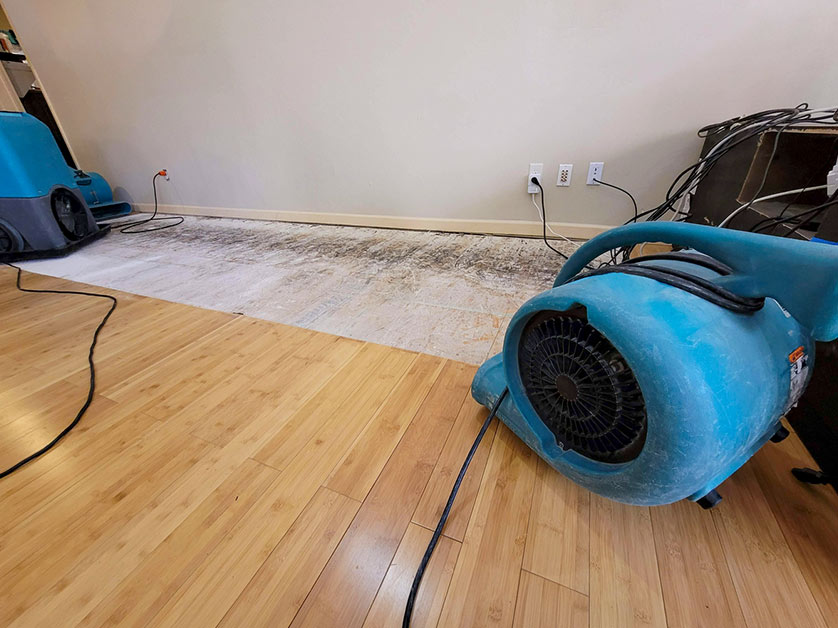
When the water extraction is total, the drying out and dehumidification process comes to be essential to recovering the afflicted area. This stage usually uses industrial-grade dehumidifiers and air moving companies to efficiently minimize dampness degrees. The dehumidifiers attract damp air, getting rid of excess moisture, while air movers distribute air to speed up dissipation. Monitoring equipment is typically utilized to track humidity and temperature degrees, guaranteeing excellent drying conditions. The period of this procedure can differ depending upon the level of the water damage and environmental aspects. It is necessary to completely completely dry all influenced products, including walls, flooring, and furnishings, to stop mold and mildew development and architectural damage. Correct execution of this step is vital for an effective restoration outcome.
Cleaning Up and Sterilizing Affected Areas
First Analysis and Inspection
Before beginning any remediation initiatives, a detailed initial analysis and inspection of the influenced areas are essential for efficient cleansing and sterilizing. This process includes recognizing the degree of water damage, determining the source of the water breach, and reviewing the materials influenced. Inspectors commonly try to find indicators of mold development, architectural integrity problems, and harmed items. The evaluation also includes examining moisture levels utilizing specialized devices to assure no hidden water pockets stay, as these can bring about further issues. Recording the findings is necessary for intending the next action in the repair procedure. A comprehensive first assessment allows repair professionals to devise a targeted method for reliable cleansing and sterilizing, eventually minimizing damage and wellness dangers.
Cleansing Techniques and Products
Efficient cleansing and sanitizing of water-damaged areas need a selection of techniques and products customized to the specific materials impacted. For permeable surface areas like drywall and carpeting, removal approaches are important to remove excess moisture, followed by deep cleaning with specialized cleaning agents. Non-porous products such as ceramic tile or steel can be cleaned up using commercial-grade cleaners that effectively get rid of impurities. Heavy steam cleaning is another effective technique, particularly for carpetings and furniture, as it utilizes high temperatures to eliminate microorganisms and mold and mildew. In addition, environment-friendly items are significantly preferred for their safety and security and efficiency. Inevitably, picking the ideal cleansing approaches and items not just assures prompt sanitation yet additionally help in preventing additional damage and carcinogen linked with water invasion.
Sanitization and Disinfection Approaches
When dealing with water damage, appropriate sanitization and disinfection methods are important to assure the safety and wellness of the afflicted atmosphere. After initial cleansing, surface areas have to be treated with ideal anti-bacterials to get rid of pathogens, mold and mildew, and germs that thrive in moist problems. Typical methods consist of the usage of EPA-approved chemical disinfectants, which can be used with spraying or cleaning methods. Additionally, ultraviolet (UV) light systems can properly sterilize locations by counteracting bacteria without extreme chemicals. The selection of approach commonly depends on the kind of materials impacted and the level of contamination. Ultimately, complete sanitization not just restores a risk-free space yet also assists stop future wellness risks related to remaining dampness and mold and mildew growth.

Fixings and Restoration Options
Elements Influencing Restoration Prices
The level of water damage directly impacts the repair sets you back house owners can expect to incur. Variables such as the resource of the water, the period of direct exposure, and the afflicted materials greatly affect prices. Clean water damage from a damaged pipe is typically much less pricey to restore compared to damage triggered by sewage (Flood Cleanup Services). In addition, the level of contamination dictates the need for specialized cleaning and disposal services, better boosting expenses. Geographic place likewise contributes, as local labor prices and schedule of restoration services can vary. Finally, the urgency of the reaction impacts expenses; quicker interventions normally cause decrease total costs by preventing more damage. Recognizing these elements is essential for property owners when approximating restoration prices
The 3 primary kinds of water damage are classified based on contamination levels: clean water, gray water, and black water. A comprehensive preliminary evaluation and assessment are vital actions in the water damage remediation process. For standing water, submersible pumps are generally utilized for rapid removal, while vacuum cleaners are optimal for extracting water from carpetings and upholstery. The level of water damage straight impacts the restoration sets you back property owners can expect to sustain. Clean water damage from a busted pipeline is generally much less expensive to recover contrasted to damage caused by sewer.